
Our Facilities
Patient Care Areas & Embryology Laboratory
From your first consultation to every visit during treatment, getting to know our facilities and procedures can help you prepare. We value clear guidance, privacy, and communication, supporting you as you explore your next steps at your own pace.
- Your appointment date and check-in location
- Identification documents and previous test reports
- Preparation instructions for your treatment day
Patient Care Environment
From the lobby and waiting areas to consultation and examination rooms, clear guidance helps you become familiar with your visit arrangements.
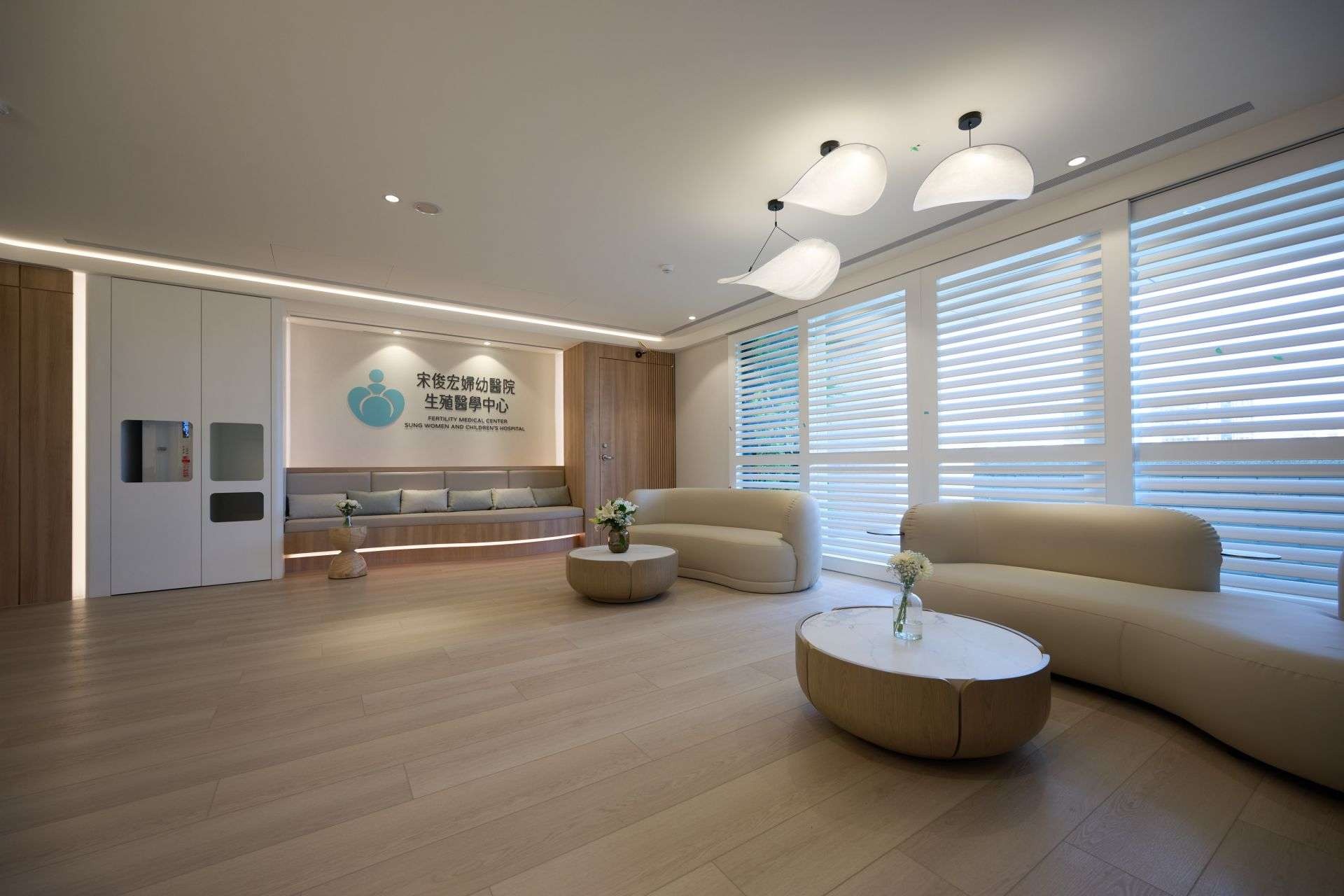
Lobby & Waiting Areas
Please follow the on-site instructions to check in upon arrival. Our staff will help confirm the consultation order and your schedule for the day. The order of tests and consultations may change depending on circumstances.

Consultation Areas
During your consultation, you are welcome to discuss your reproductive goals, medical history, daily commitments, and treatment questions. Our team will explain the assessment process and preparation instructions to help you understand your options.

Examination Rooms
Assessments and tests are arranged according to your individual needs. Our medical team will explain their purpose, procedures, and precautions. Please confirm when booking whether your partner should attend.
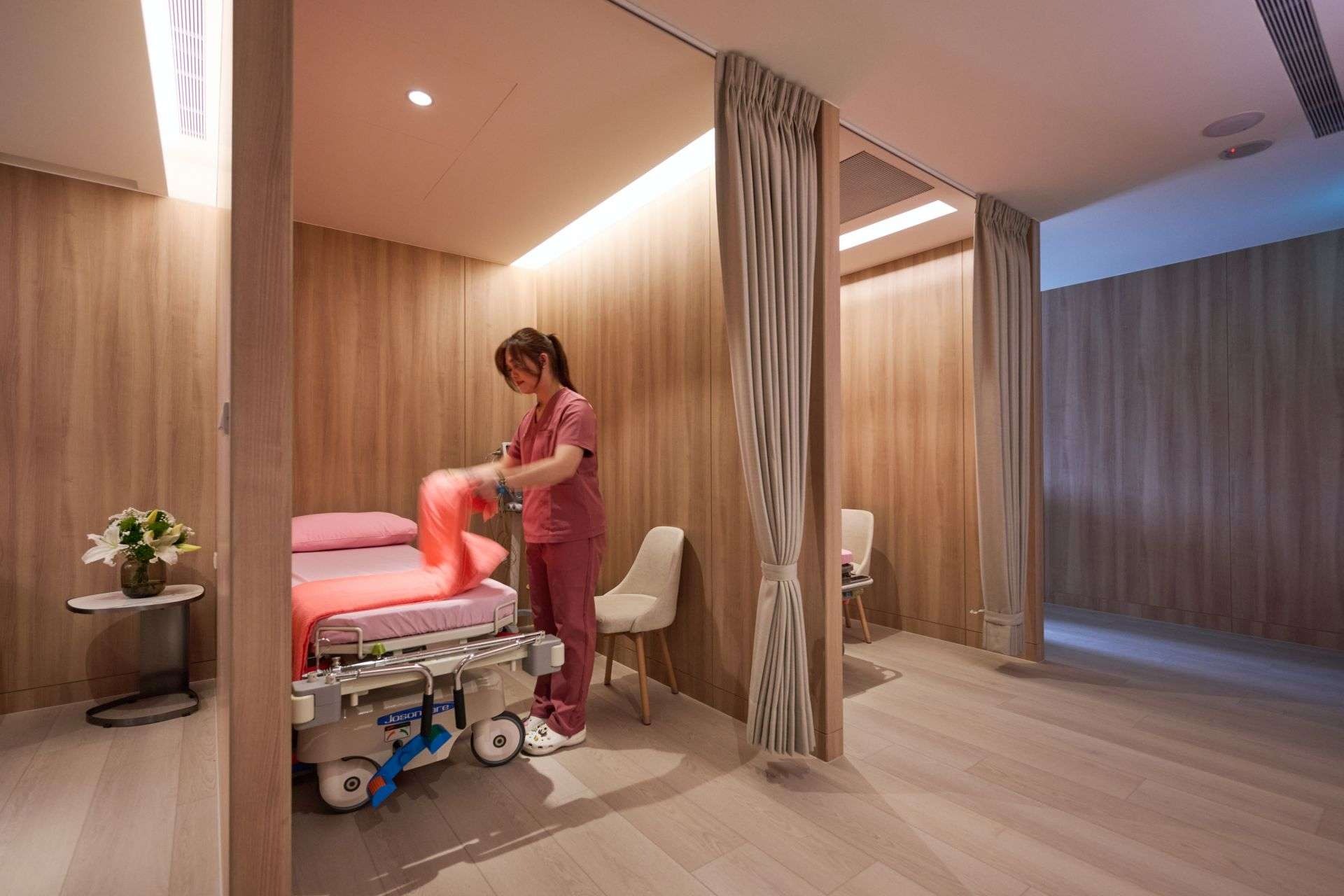
Treatment & Recovery Areas
For treatments involving procedures or anesthesia, please follow the medical team's instructions for preparation, observation, and discharge. Confirm whether you need someone to accompany you before treatment, and review your medications and follow-up contact details before leaving.
Our Facilities
Our Facilities
Boutique Maternity Space
A Refined Setting
for Every Fertility Journey
From the lobby and waiting areas to consultation and examination rooms, our thoughtfully designed spaces offer a welcoming alternative to a traditional hospital setting. Warm lighting, layouts that prioritize privacy, and comfortable surroundings help you feel at ease during every visit.
-
Lobby -

Waiting Area -
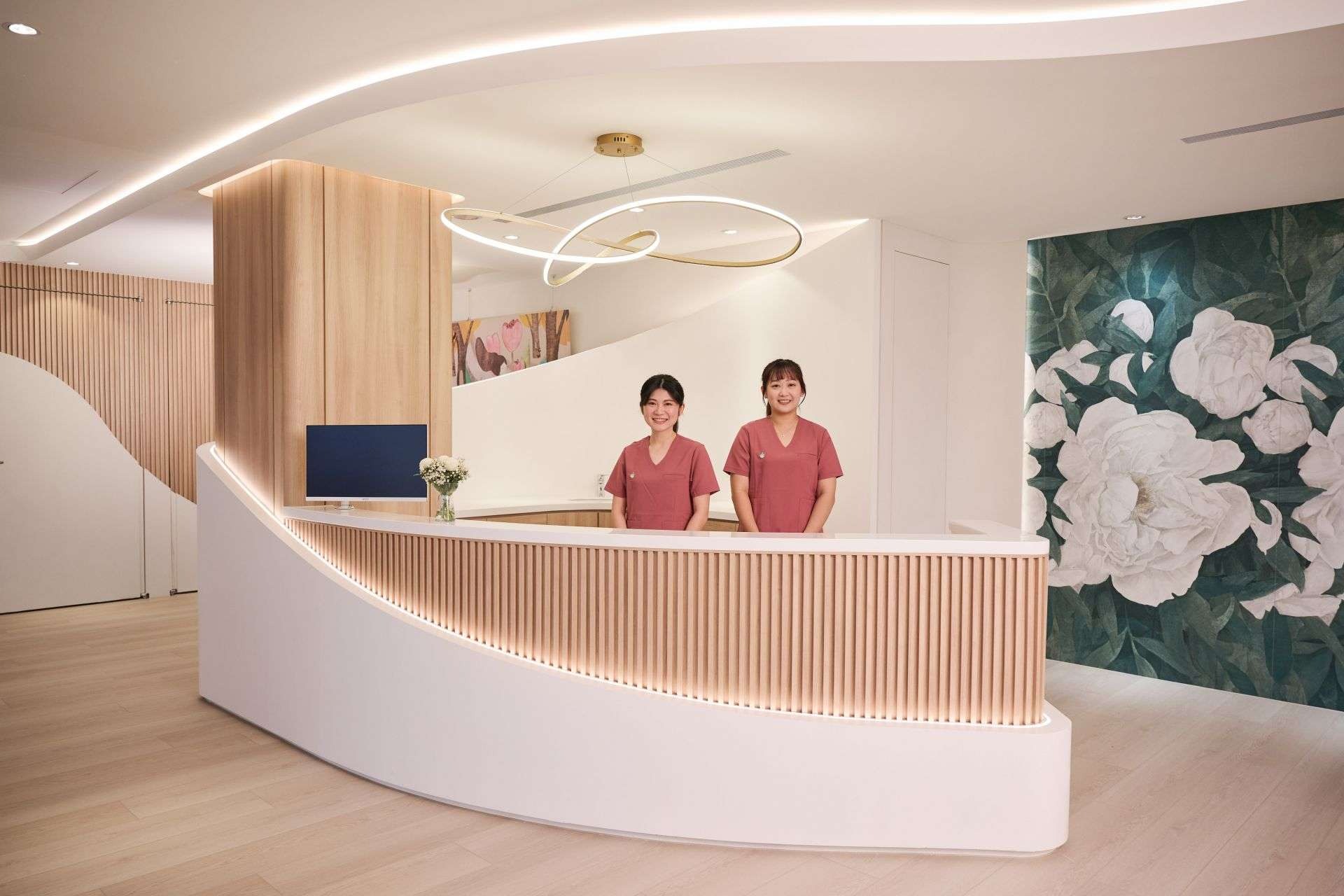
Reception Desk -
Consultation Room -

Consultation Room -
Examination Room -
Recovery Room -
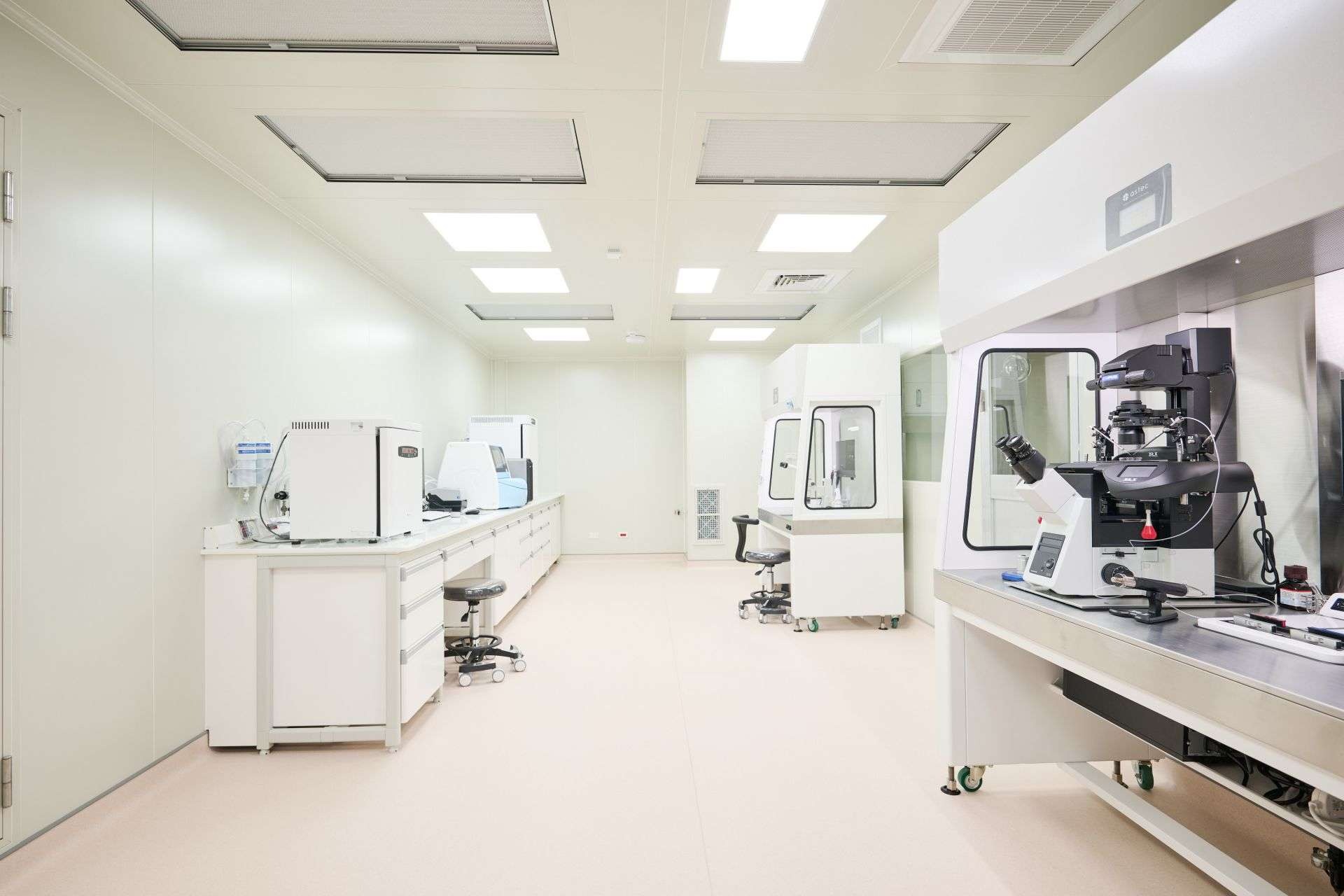
Laboratory -
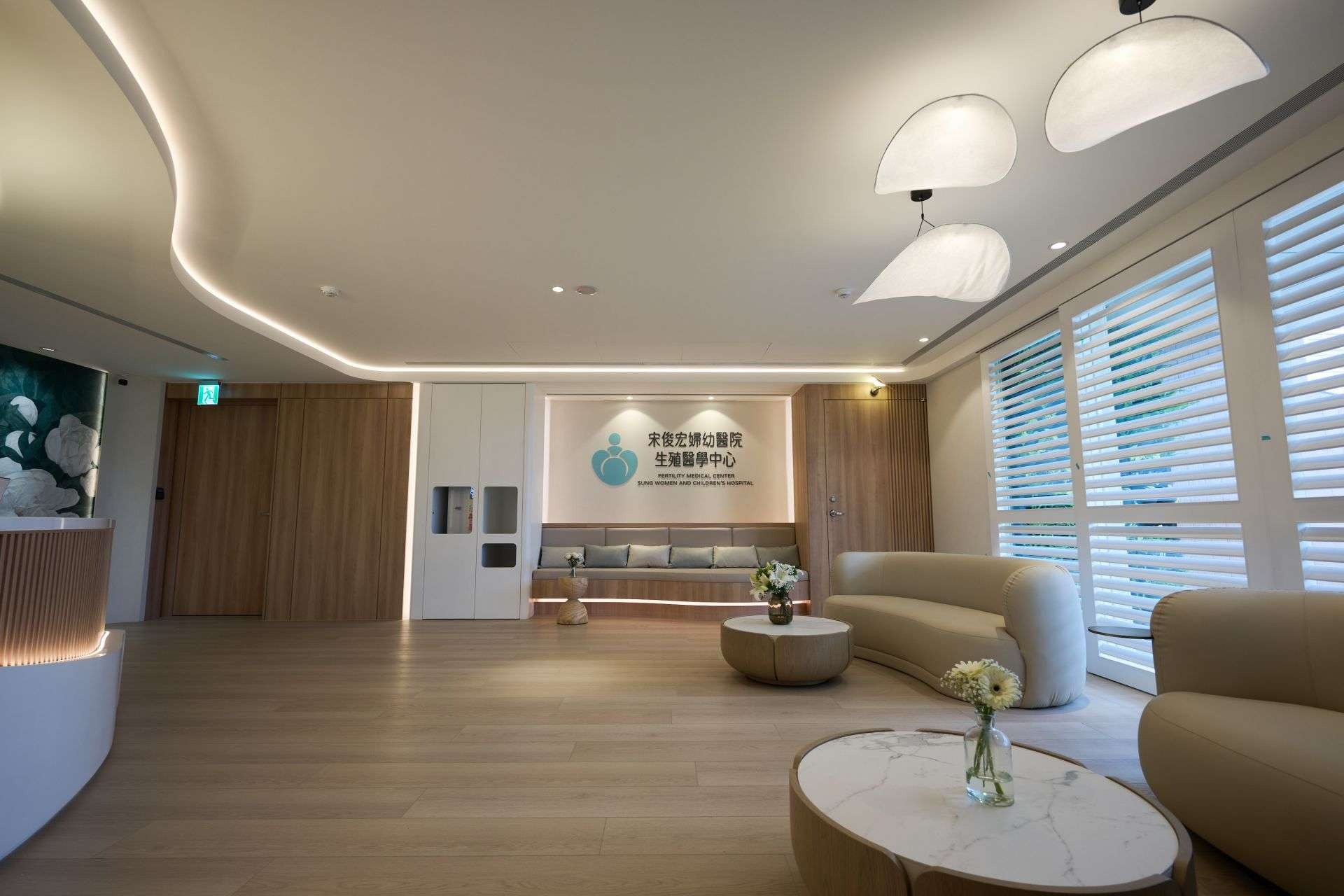
Waiting Area -
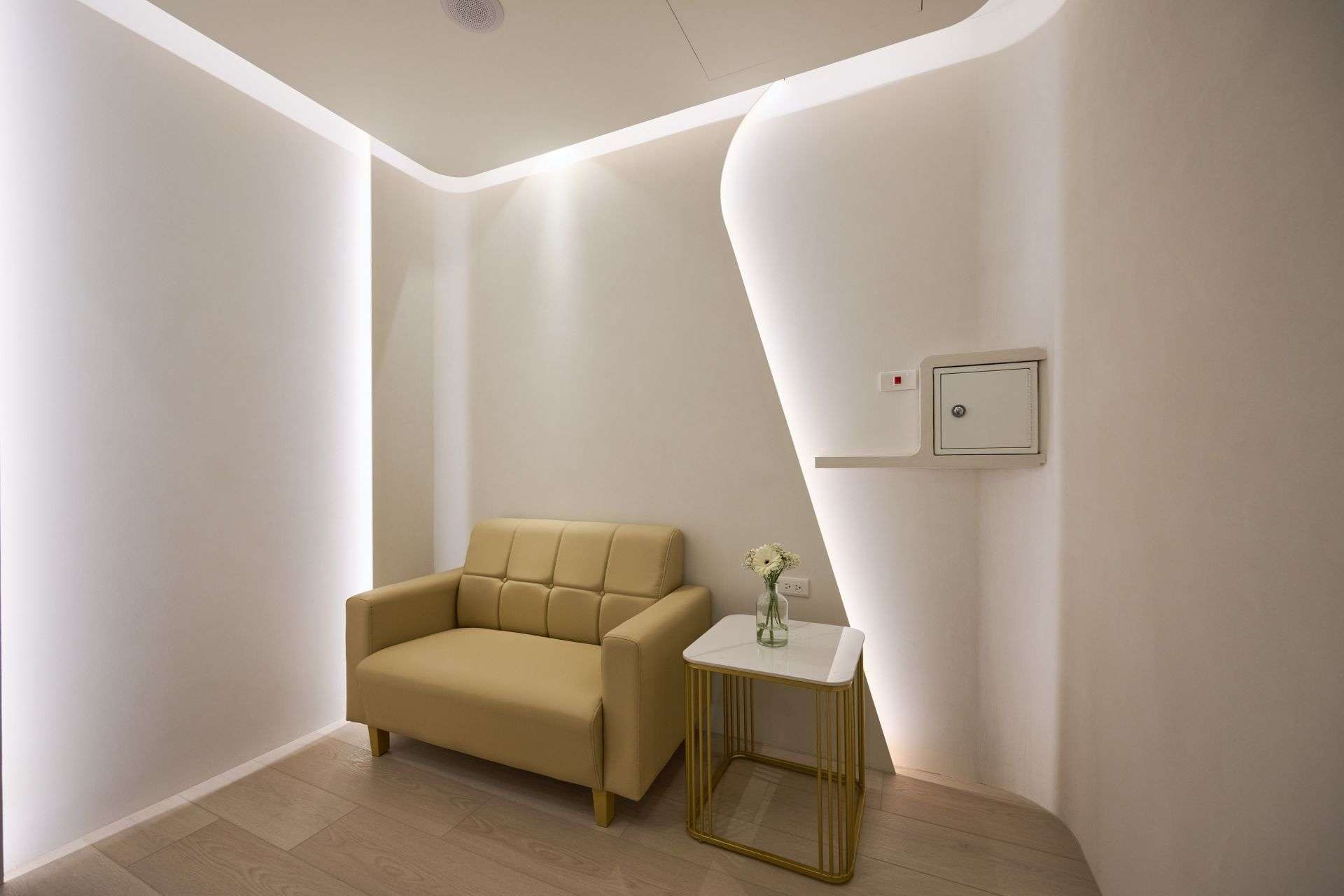
Semen Collection Room
Embryology Laboratory & Equipment
Our embryology laboratory supports the identification, handling, culture, observation, and preservation of reproductive cells and embryos.
Embryology Laboratory
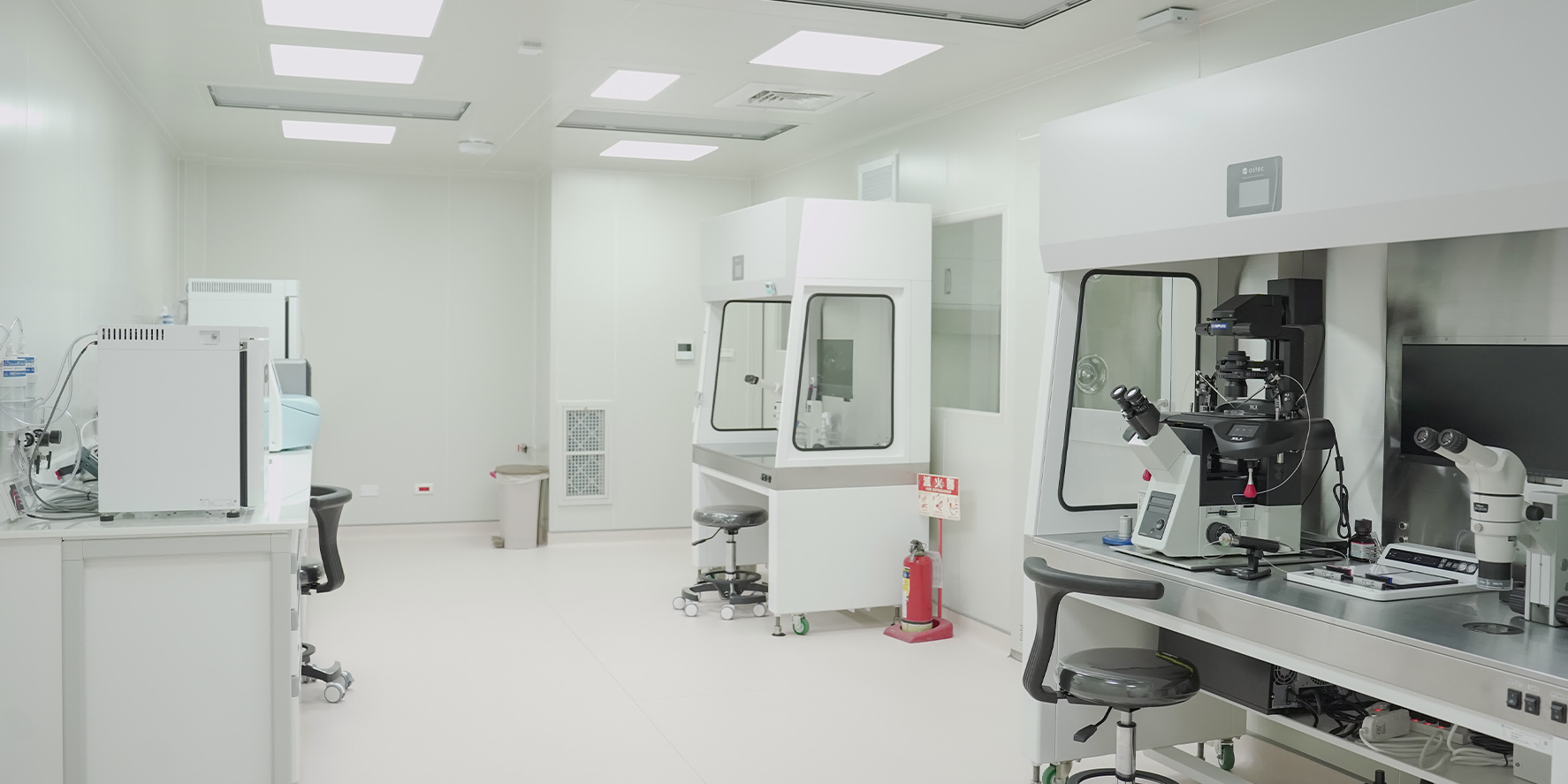
The embryology laboratory is central to assisted reproduction, handling sperm and eggs, fertilization procedures, embryo culture, and cryopreservation. Built with non-toxic materials and maintained to Class 1,000 cleanroom standards, it combines specialized equipment with the careful work of embryologists to provide suitable conditions for handling, culturing, and storing reproductive cells and embryos, with attentive care at every stage.
Air Shower
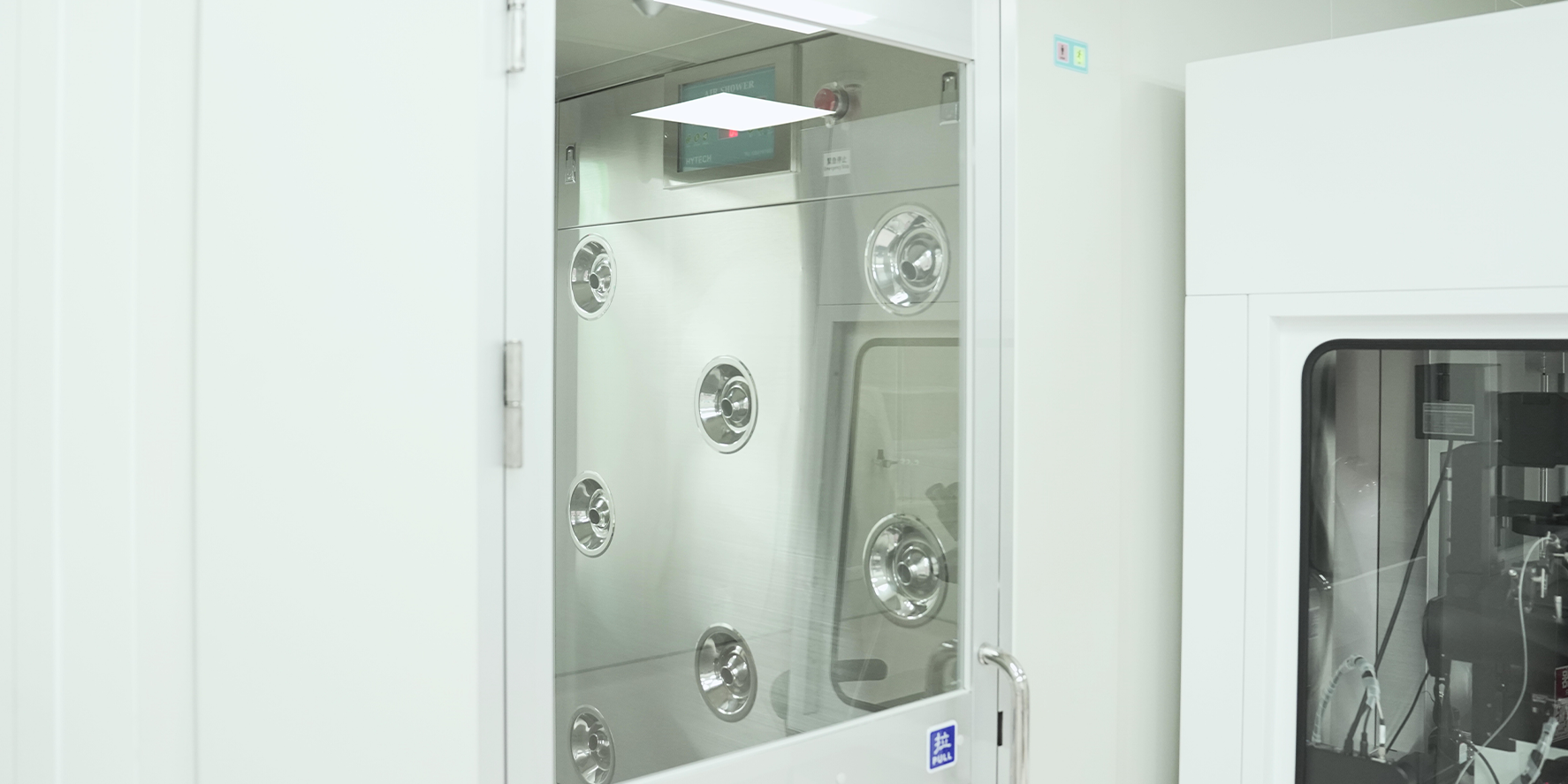
Located at the entrance to the embryology laboratory, the air shower uses high-speed, filtered airflow to remove dust and particles from clothing, reducing the entry of external contaminants.
-
Filtered airflow: Removes dust and particles from clothing surfaces.
-
Contamination control: Reduces the impact of staff movement on laboratory cleanliness.
-
Cleanroom access: Provides a controlled transition between external areas and the laboratory.
Liquid Nitrogen Storage Tanks
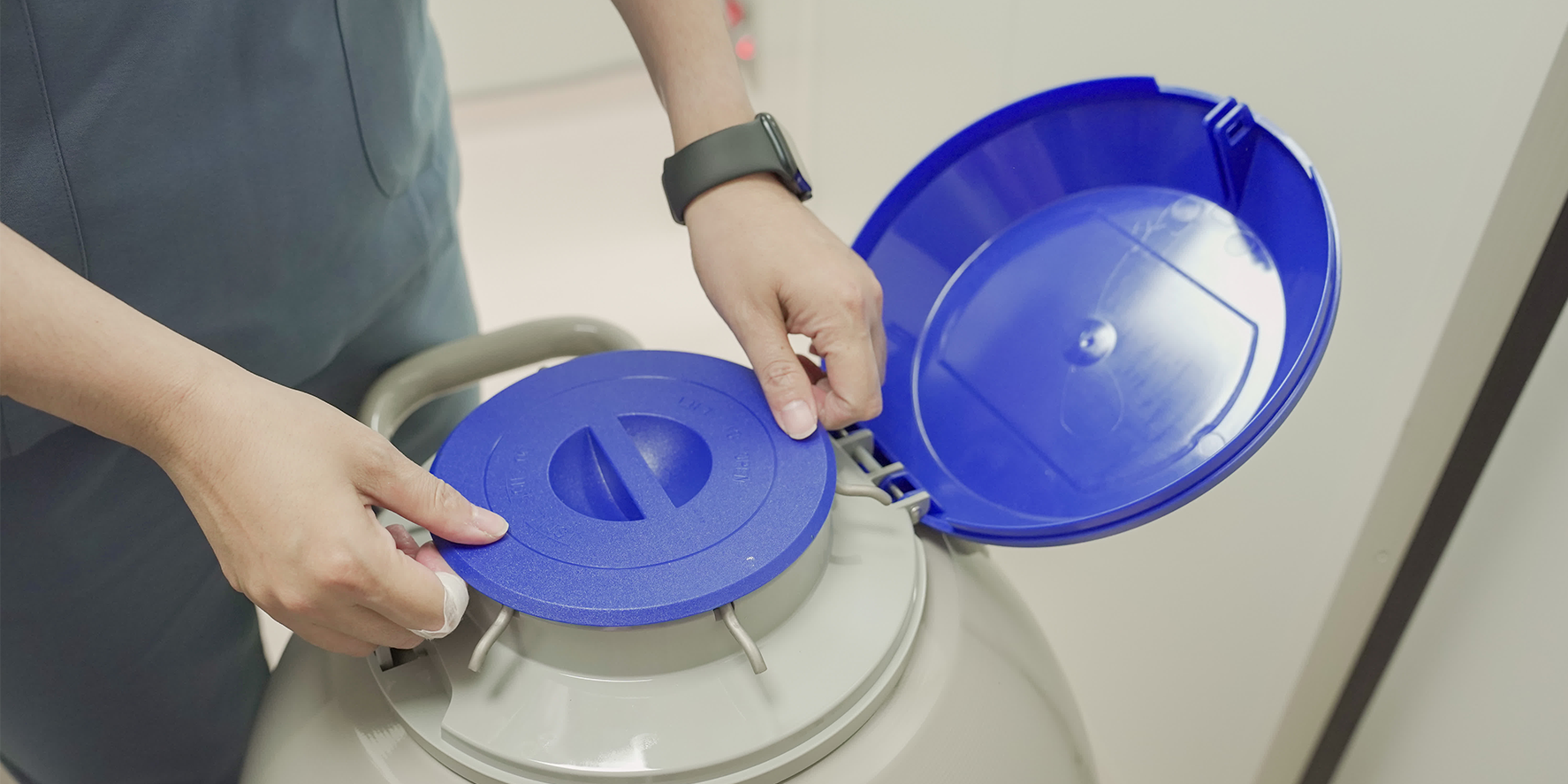
Liquid nitrogen provides an ultra-low-temperature environment,maintaining storage at −196°C,for cryopreserved sperm, eggs, and embryos. This greatly reduces cellular metabolic activity, allowing storage for future assisted reproduction treatments.
-
Ultra-low-temperature storage: Maintains conditions suitable for cryopreserved specimens.
-
Storage of multiple specimen types: Accommodates frozen sperm, eggs, and embryos.
-
Specimen identification: Labels and storage-location records ensure traceability.
-
Storage monitoring: Liquid nitrogen levels and storage conditions are key aspects of preservation management.
Inverted Phase-Contrast Microscope & Laser-Assisted Hatching System
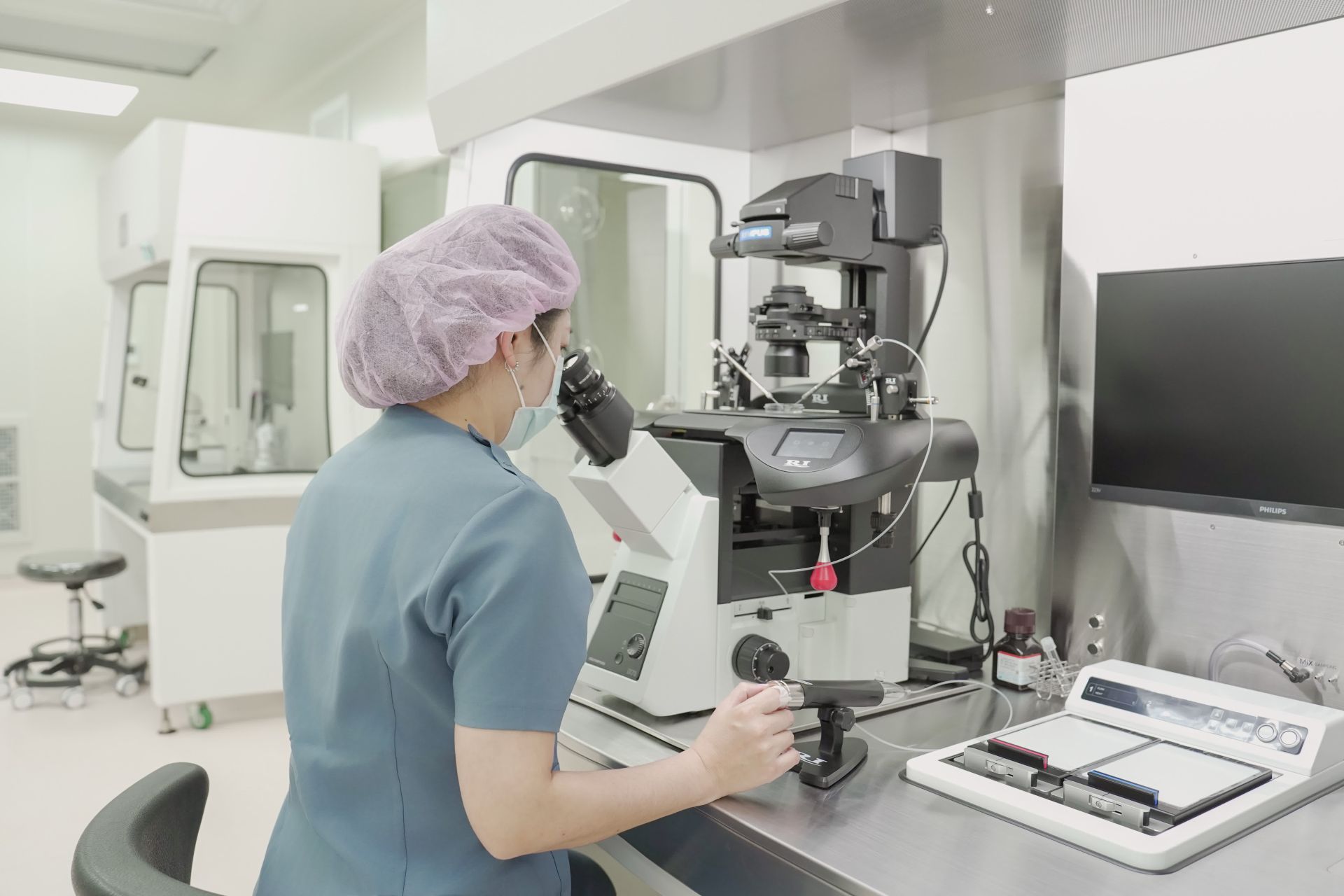
The inverted phase-contrast microscope enhances the image contrast of transparent cell structures, helping embryologists observe sperm, eggs, and embryo morphology. The laser system enables treatment of the embryo's zona pellucida when indicated.
-
Enhanced image contrast: Helps identify cellular structures in sperm, eggs, and embryos.
-
Embryo morphology assessment: Provides images to support the evaluation of fertilization and embryo development.
-
Laser zona pellucida treatment: Thins or creates an opening in the zona pellucida for assisted hatching.
-
Individual assessment: The medical team determines whether use is appropriate based on embryo condition and treatment needs.
Aseptic Workstations
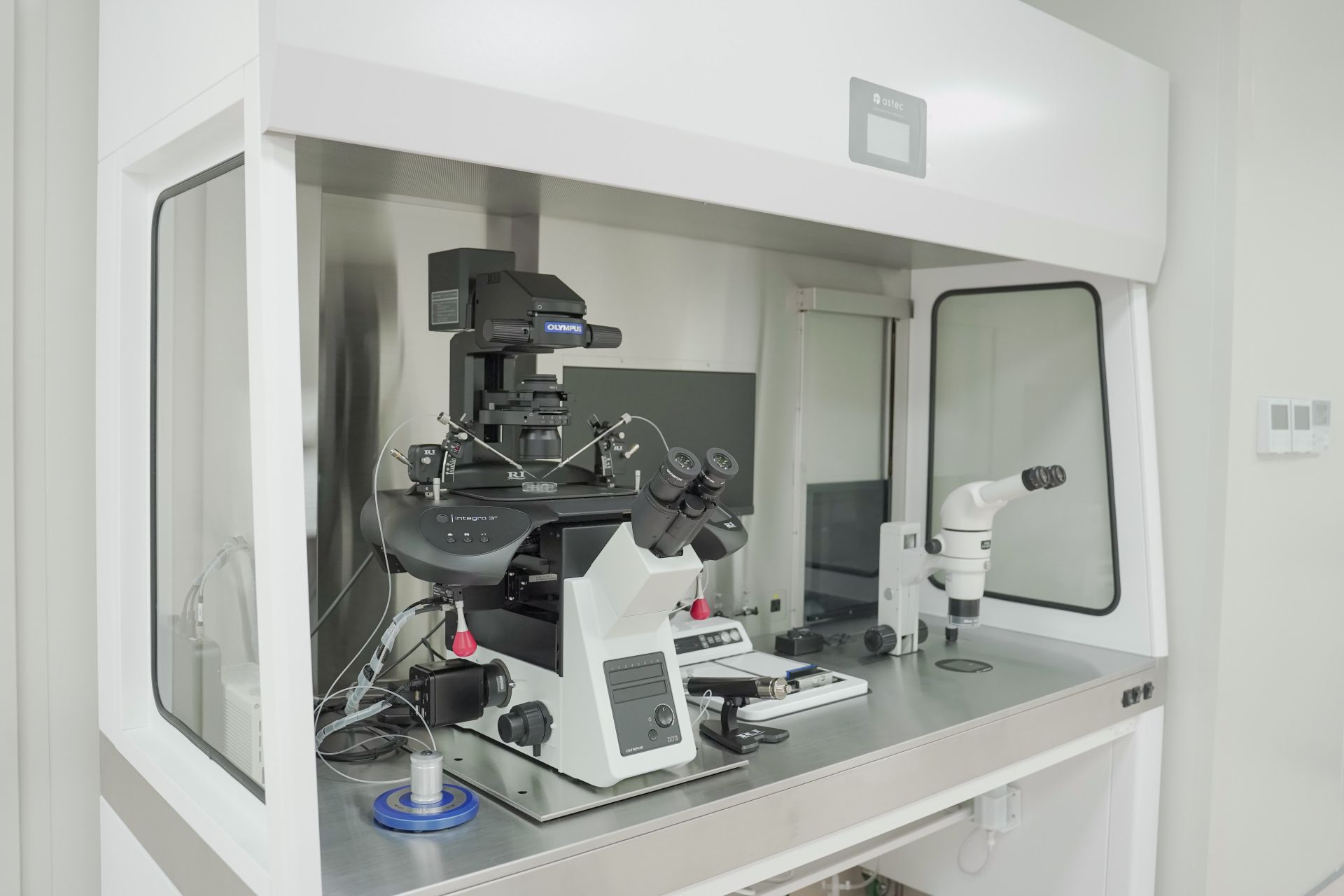
Filtered airflow maintains a clean working area, reducing exposure to airborne particles and contaminants during sperm, egg, and embryo handling.
-
Clean working area: Provides a dedicated space for handling sperm, eggs, and embryos.
-
Airborne particle filtration: Reduces sources of airborne contamination within the working area.
-
Contamination risk reduction: Supports specimen handling quality through cleaning, disinfection, and aseptic procedures.
-
Standardized procedures: Trained staff perform all work according to laboratory protocols.
Time-Lapse Embryo Incubator
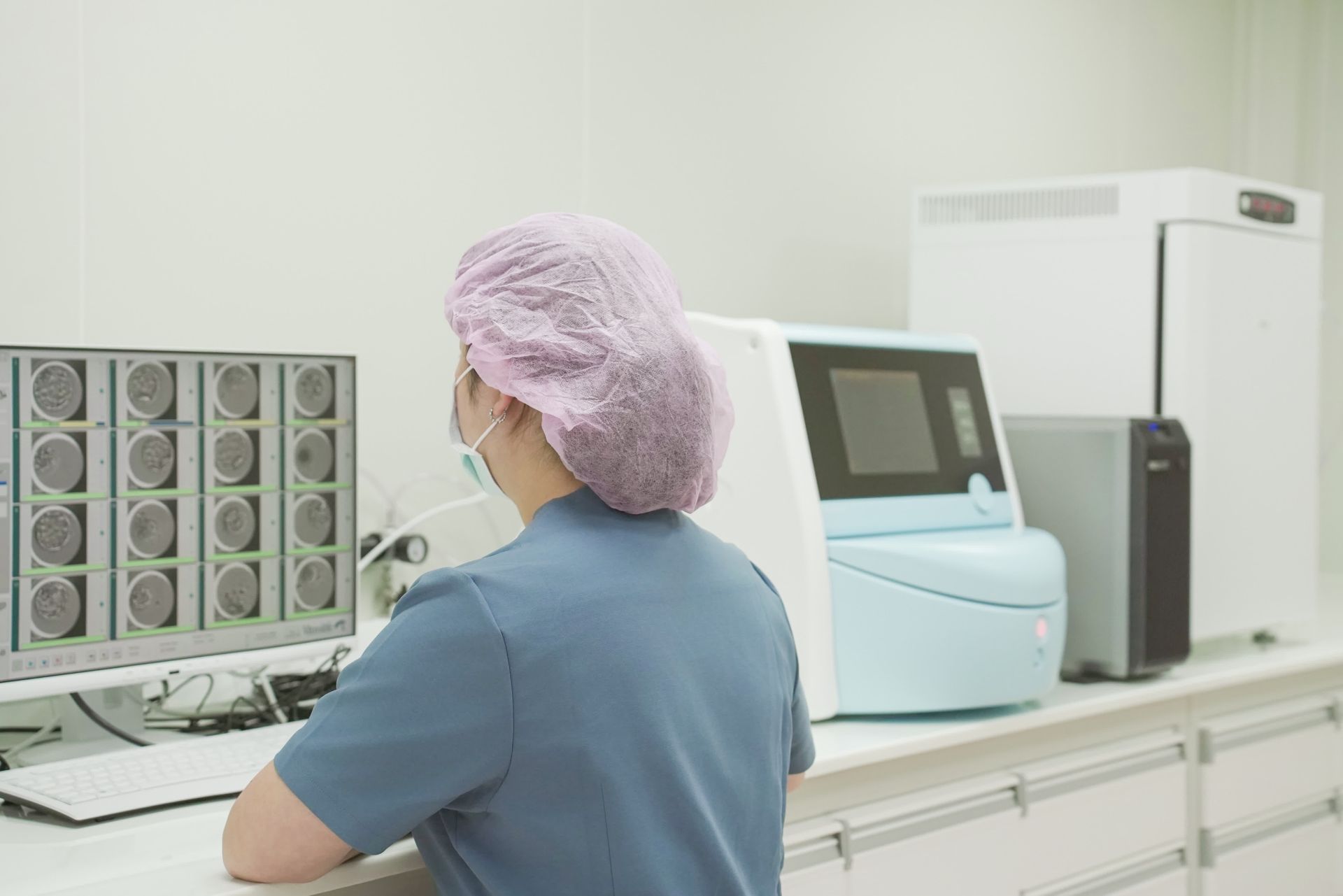
Combining embryo culture with time-lapse imaging, the incubator captures images at regular intervals to record cell division timing and morphological changes, supporting embryologists' assessments.
-
Integrated culture and imaging: Records embryo images during culture.
-
Cell division tracking: Monitors the timing of cell divisions and developmental progress.
-
Fewer removals for observation: Reduces changes to the culture environment caused by observation outside the incubator.
-
Embryo assessment support: Combines morphology and developmental timing to provide a more complete basis for evaluation.
Microinjection System
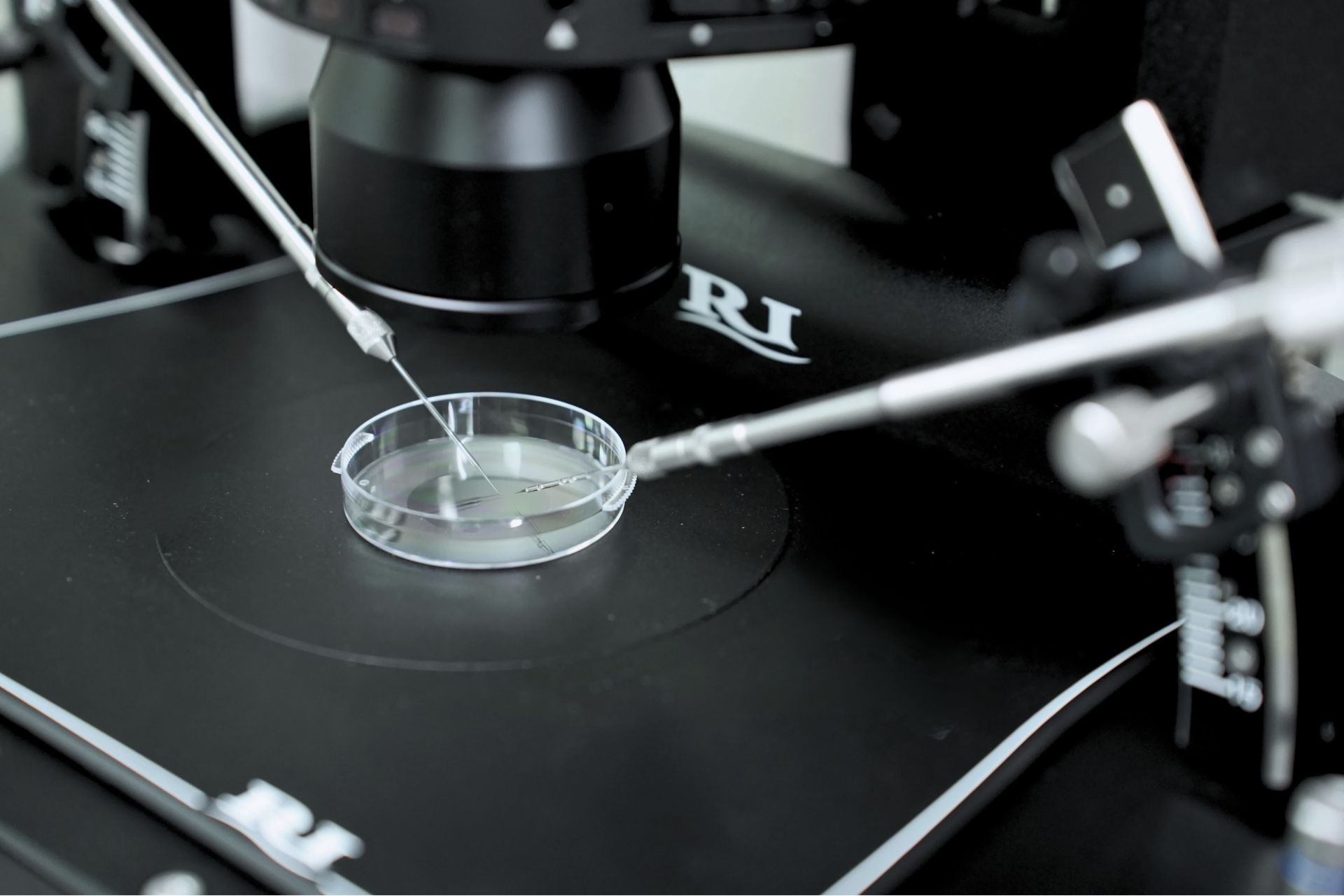
This system combines a microscope with micromanipulation equipment to perform intracytoplasmic sperm injection (ICSI). An embryologist holds a mature egg in place and injects a single sperm into its cytoplasm to assist fertilization.
-
Micromanipulation control: Enables precise egg stabilization and sperm injection.
-
Single sperm injection: Introduces one sperm directly into the cytoplasm of a mature egg.
-
Use based on clinical indications: Takes into account semen quality, egg condition, and previous fertilization outcomes.
-
Post-injection observation: Monitors fertilization and subsequent embryo development.
Sperm Quality Analysis
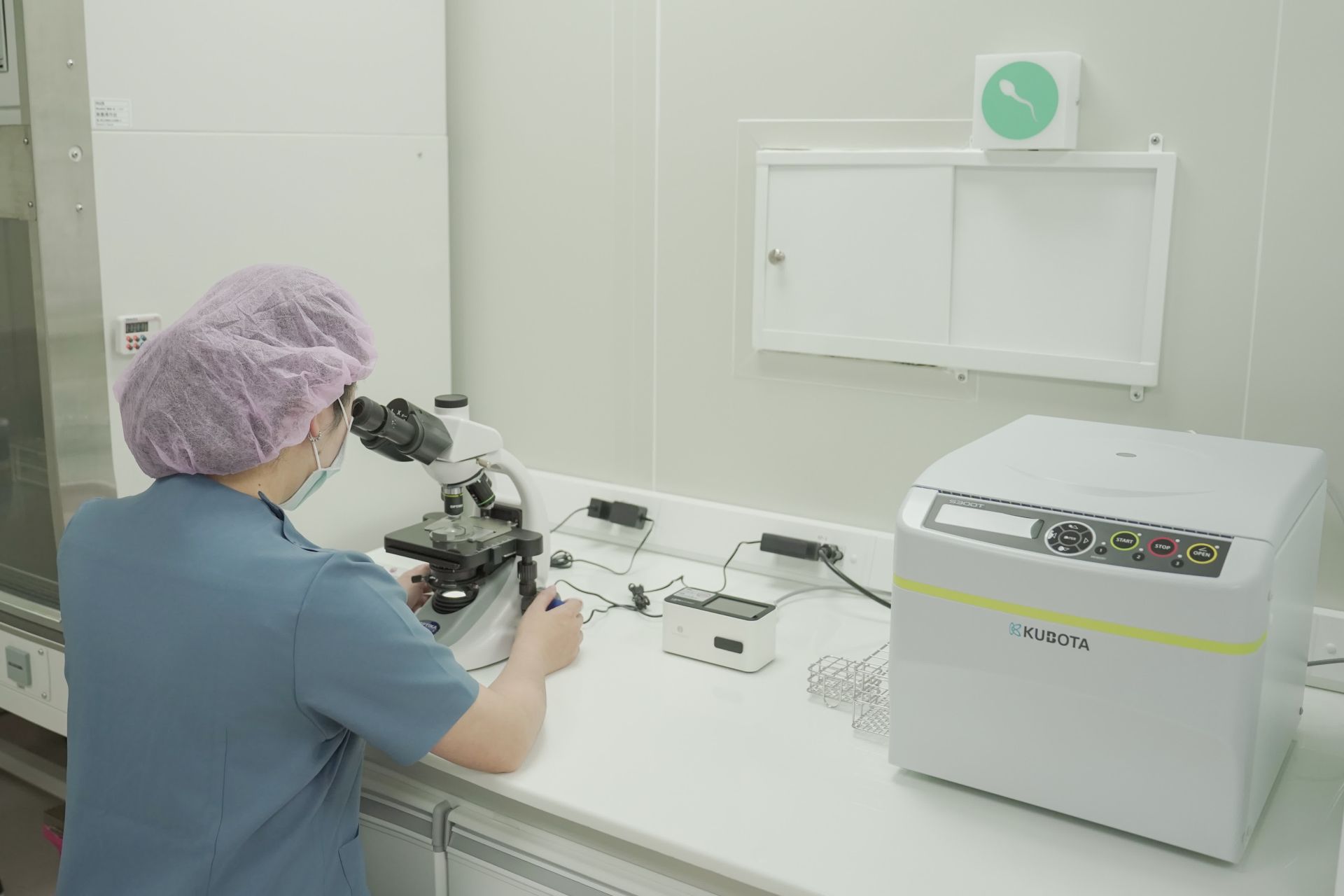
A high-resolution, fully automated analyzer combines AI technology with the standards of the sixth edition of the World Health Organization (WHO) laboratory manual to assess sperm quality comprehensively.
-
Sperm concentration and total count: Measures sperm numbers per milliliter and across the entire semen sample.
-
Sperm motility: Evaluates sperm movement and the ability to move forward.
-
Sperm morphology: Examines sperm appearance and structural characteristics.
-
Comprehensive clinical interpretation: Combines results with medical history and other findings to help plan subsequent treatment.
Dry and Conventional Humidified Incubators
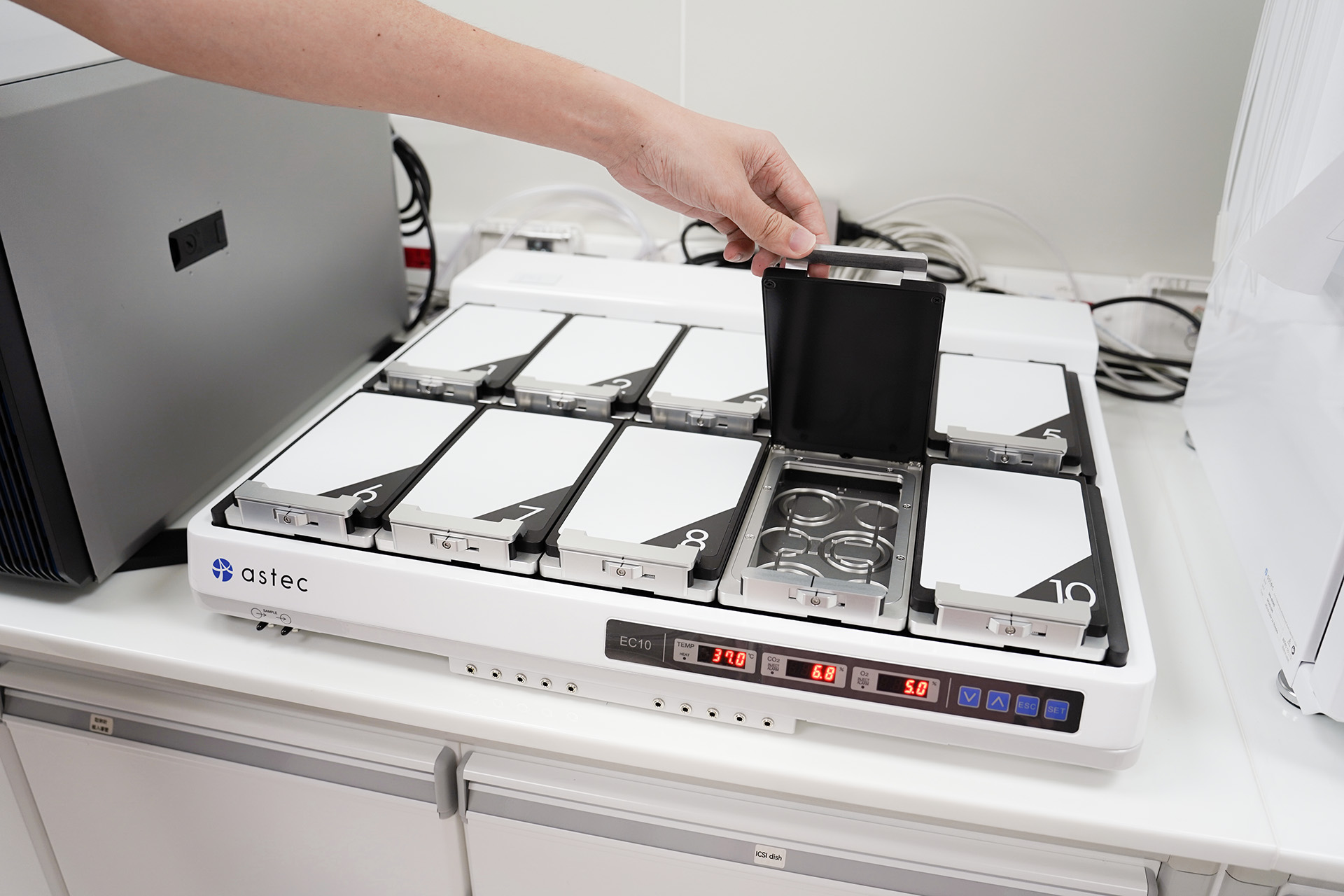
Controlled temperature and gas conditions provide a suitable environment for fertilization and embryo development. Embryologists manage culture conditions according to each incubator’s specifications.
-
Temperature Control: Maintains an appropriate temperature for embryo development.
-
Gas Regulation: Helps maintain culture medium pH through controlled gas conditions.
-
Dry Culture: Uses a non-humidified environment with an oil overlay to limit medium evaporation.
-
Humidified Culture: Uses humidity to reduce water loss from the culture medium.
Preparing for Your Visit
Preparation varies by treatment. Please follow your individual instructions to confirm whether fasting, menstrual-cycle timing, or an accompanying person is required.
Confirm Your Appointment
- Confirm the date, floor, and check-in location
- Let us know what you would like to discuss
- Ask whether your partner should attend
Prepare Your Medical Records
- Bring your identification documents
- Bring previous test reports and treatment records
- Prepare a list of your current medications and supplements
Confirm Test Preparation
- Follow the instructions for food intake and medications
- Check whether timing depends on your menstrual cycle
- Do not change treatment medications on your own
Arrange Travel & Support
- Allow enough time for travel and check-in
- Check parking or public transport options
- Arrange an accompanying person if required for your treatment
Review Your Follow-Up Plan
- Confirm follow-up appointments and tests
- Review care instructions and precautions for returning home
- Keep the contact details provided by our team
Let Us Help You Prepare for Your Visit
Appointment and preparation arrangements vary by consultation or treatment. Please let us know your needs in advance.
First Visit Checklist
- Identification documents and previous test reports
- Information about your current medications and supplements
- A list of questions you would like to ask
Appointments & Contact
Contact us through our official LINE account for appointments, procedure information, or assistance with your visit. Our center will help arrange a suitable consultation.
CONSULTATION
Consultation Form
Every fertility journey deserves attentive care. Please leave your needs and contact information, and our team will help you explore the treatment options that may be right for you.