cutting edgetechnology

Advanced reproductive laboratory technologies

Advanced Reproductive Technologies

Advanced Reproductive Technologies

Supporting Embryo Culture, Assessment, and Treatment Planning

Assisted reproduction involves more than egg retrieval, fertilization, and embryo transfer. The laboratory culture environment, methods of observing embryos, chromosome assessment, and cryopreservation are also important parts of treatment.

Developments in reproductive medicine and embryology offer additional information and treatment options through preimplantation genetic testing for aneuploidy (PGT-A), time-lapse embryo culture, and embryo vitrification and warming.

Each technology has different purposes and indications. Not every patient undergoing IVF needs every option. Recommendations depend on age, embryo number, previous pregnancy and treatment history, and reproductive goals.

PGT-A Chromosome Screening

Additional Chromosome Information Before Embryo Transfer

PGT-A stands for preimplantation genetic testing for aneuploidy. It assesses whether sampled embryo cells show abnormalities in chromosome number.

As maternal age increases, egg quality declines and embryo chromosome abnormalities become more common. These abnormalities can contribute to implantation failure and miscarriage. PGT-A may help guide embryo selection in selected circumstances, but its effect on overall treatment outcomes varies and it does not guarantee pregnancy or live birth.

How Is PGT-A Performed?

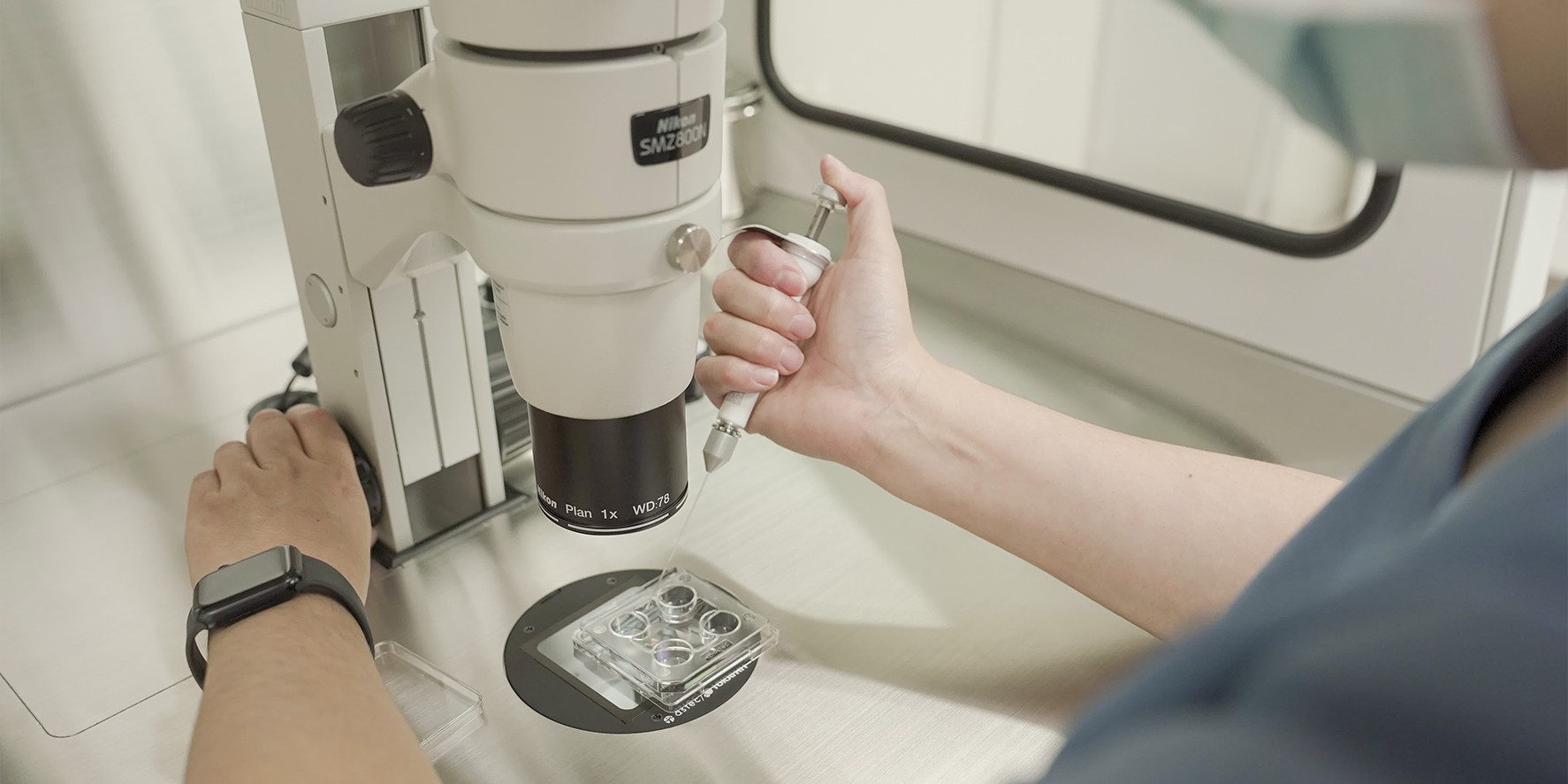
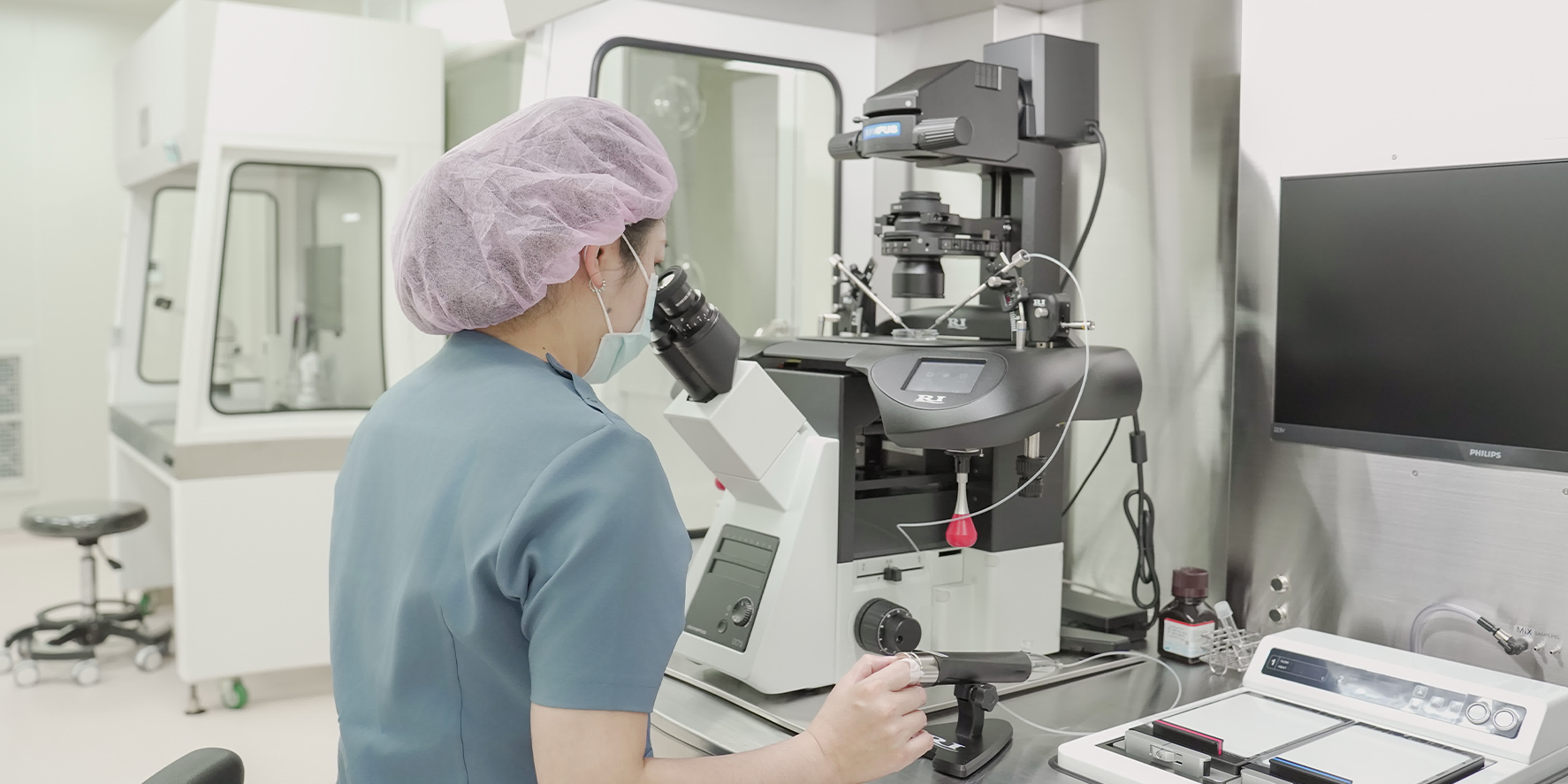
Embryos are generally cultured to the blastocyst stage. An embryologist then removes a small number of cells from the outer trophectoderm layer for testing.

Overview of the PGT-A testing process

Trophectoderm biopsy allows a sample to be collected from the outer cell layer rather than directly from the inner cell mass that develops into the fetus.

When Might PGT-A Be Discussed?

Your doctor may discuss testing according to individual circumstances, such as:

  • Older reproductive age
  • A history of recurrent miscarriage
  • Repeated unsuccessful embryo transfers
  • A wish to obtain additional chromosome information about embryos
  • A chromosome-related concern requiring specialist genetic assessment and selection of the appropriate PGT method

PGT-A Is Not Necessary for Everyone

PGT-A provides chromosome screening information. It does not guarantee implantation, pregnancy, or live birth.

The source article refers to ASRM guidance that does not support routine PGT-A for every IVF patient. Its potential value should be assessed according to age, embryo number, and individual treatment circumstances.

Results may also be reported as mosaic or inconclusive. These findings require further explanation and individualized counseling.

Time-Lapse Embryo Culture

Recording Development Without Frequent Removal from the Incubator

With conventional assessment, embryologists observe embryo development and appearance at scheduled times.

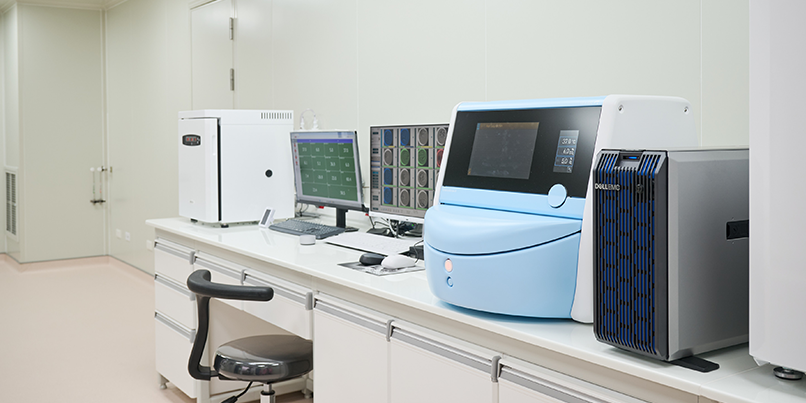
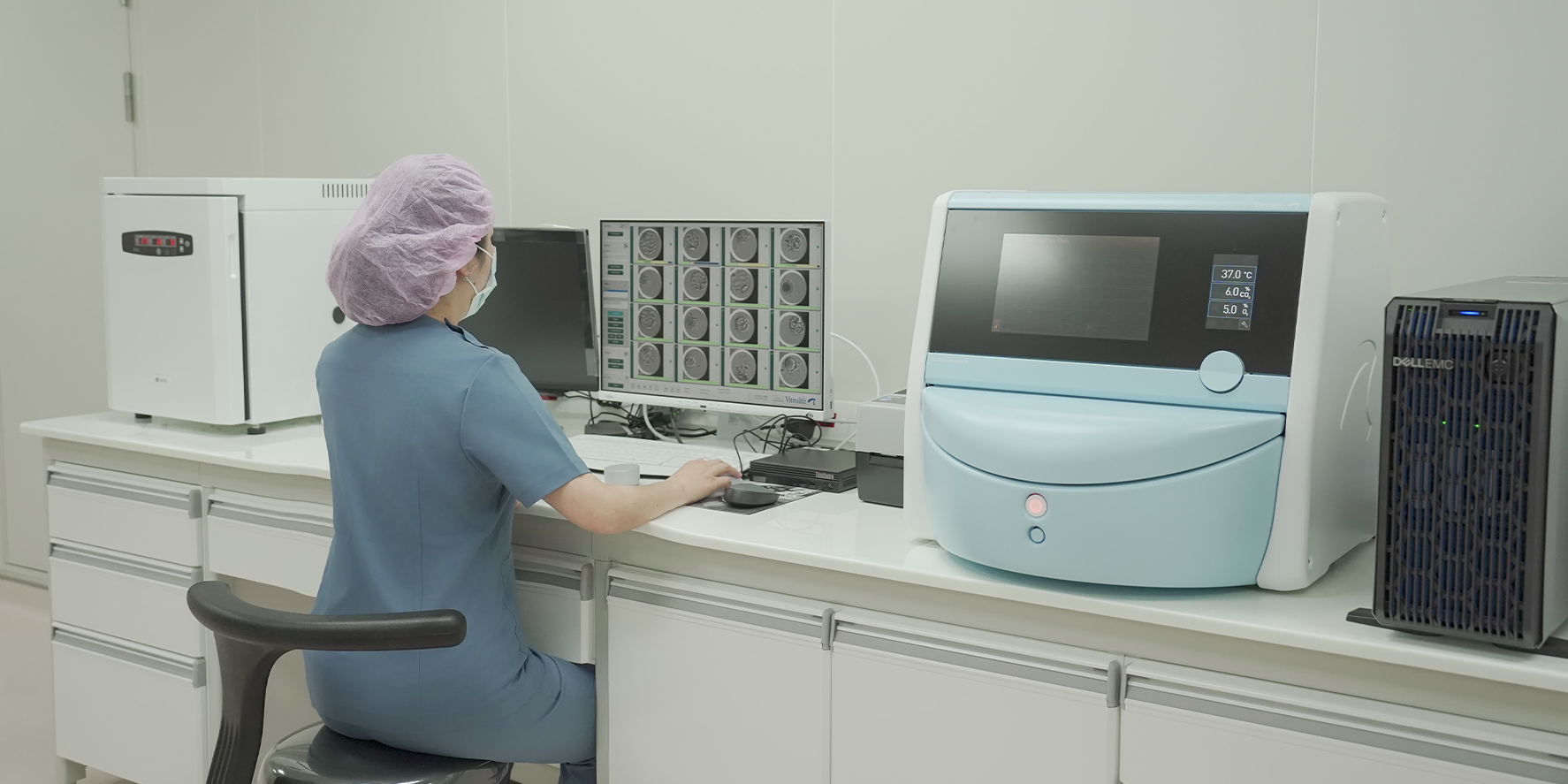
A time-lapse embryo culture system integrates imaging equipment into the incubator. Images are captured at regular intervals to create a continuous record of development over several days.

This allows embryologists to review changes from fertilization and cell division through blastocyst formation, rather than relying only on observations at individual time points.

What Can Time-Lapse Imaging Record?

  • Changes following fertilization
  • The timing of the first cell division
  • The timing of subsequent divisions
  • Unusual cell division patterns
  • Morula formation
  • Blastocyst formation and expansion

These observations provide information alongside conventional morphological assessment.

Reducing Removal from the Culture Environment

Images can be captured inside the incubator, reducing the need to remove embryos solely for observation.

This supports continuity of culture under controlled temperature, gas concentrations, and other conditions while maintaining a detailed visual record.

Can Time-Lapse Imaging Identify the “Best” Embryo?

Time-lapse imaging provides more developmental information than a single observation. Some systems also use algorithms to support embryo assessment.

However, although it helps document early development, division timing, and unusual patterns, it has not been established that it universally improves pregnancy outcomes compared with conventional assessment.

It should be regarded as an additional observation and assessment tool, rather than a stand-alone predictor of pregnancy.

Embryo Freezing and Warming

Preserving Suitable Embryos for Future Treatment

Embryo transfer does not always take place immediately after egg retrieval.

Embryos may be frozen because of treatment planning, genetic testing, endometrial conditions, or plans for a later transfer.

Vitrification is a commonly used cryopreservation method. Cryoprotectants and rapid cooling help place the embryo in a glass-like, non-crystalline state, reducing ice crystal formation that can damage cells. Embryos are then maintained in liquid nitrogen storage systems at very low temperatures.

When Might Embryo Freezing Be Recommended?

  • Several suitable embryos are available after IVF
  • The current cycle is unsuitable for an immediate transfer
  • PGT-A or another preimplantation genetic test is planned
  • Embryos will be transferred in separate treatment cycles
  • Fertility preservation is needed
  • A freeze-all strategy is appropriate after medical assessment

How Are Embryos Frozen?

According to developmental stage and laboratory protocols, suitable embryos are exposed to cryoprotectant solutions and rapidly cooled into a vitrified state before low-temperature storage.

Embryo preservation requires more than freezing. Handling, identification, documentation, and the storage environment all require strict laboratory quality and safety management.

What Happens During Warming?

When transfer is planned, embryos are warmed according to laboratory protocols.

Cryoprotectants are removed in a controlled sequence. Embryologists assess cell survival and recovery, and transfer is planned according to embryo findings and endometrial conditions.

Not every embryo survives warming completely. However, modern vitrification has substantially improved cryosurvival.

What Affects Pregnancy Outcomes After Warming?

  • Embryo quality at freezing
  • Age at egg retrieval
  • Embryo developmental stage
  • Laboratory freezing and warming techniques
  • Endometrial conditions
  • Other health and reproductive factors

Freezing alone cannot predict the final pregnancy or live birth outcome.

The Right Technology for the Right Treatment

Each laboratory technology serves a different purpose.

PGT-A

Provides information about embryo chromosome number to support selection and transfer planning in selected circumstances.

Time-Lapse Embryo Culture

Records development over time and provides additional observations for embryologists.

Embryo Vitrification and Warming

Preserves suitable embryos and offers flexibility in subsequent treatment planning.

Using more technologies does not necessarily increase IVF success. Selection should be based on age, ovarian reserve, embryo number, previous treatment, and reproductive goals.

The Reproductive Medicine Center at Sung Jun Hung Women’s and Children’s Hospital combines specialist clinical care with professional embryology services to provide individualized treatment planning.
Preimplantation genetic testing for aneuploidy

PGT-A

PGT-A Chromosome Screening

Additional Chromosome Information Before Transfer

An embryo that appears to be developing well does not necessarily have a normal chromosome number.

Chromosome number abnormalities generally become more common with increasing maternal age. Affected embryos may fail to implant, miscarry, or be associated with certain chromosome conditions.

Preimplantation genetic testing for aneuploidy (PGT-A) analyzes a small sample of embryo cells before transfer to assess chromosome number and inform embryo selection and treatment planning.

PGT-A is a chromosome screening technique, not a comprehensive test for every genetic condition. It cannot guarantee pregnancy or a healthy child. The source article refers to ASRM guidance that does not recommend routine PGT-A for every IVF patient.

What Does PGT-A Assess?

Human cells typically contain 23 pairs of chromosomes, for a total of 46.

An extra or missing chromosome is called aneuploidy. Some chromosome number abnormalities affect implantation, pregnancy continuation, or fetal health.

PGT-A mainly assesses chromosome number. It differs from other forms of preimplantation genetic testing:

PGT-A

  1. Assesses chromosome number abnormalities.

PGT-M

  1. Tests for a known specific single-gene condition.

PGT-SR

  1. Is used when a parent carries a chromosome structural rearrangement.

A family history of a particular genetic condition may require genetic counseling and a different testing strategy. PGT-A alone does not screen for all inherited conditions.

How Is PGT-A Performed?

PGT-A is performed as part of IVF. It cannot be completed through a blood test alone.

STEP 1 | Ovarian Stimulation and Egg Retrieval

A stimulation protocol is selected according to ovarian function, followed by retrieval at the appropriate time.

STEP 2 | Fertilization

Mature eggs are fertilized in the embryology laboratory and monitored as they develop.

STEP 3 | Culture to the Blastocyst Stage

Embryos are generally cultured to the blastocyst stage.

Only embryos that reach a stage suitable for biopsy can be sampled. Not every fertilized egg will develop sufficiently to undergo testing.

STEP 4 | Blastocyst Biopsy

An embryologist removes a small number of cells from the outer trophectoderm layer.

These cells mainly contribute to placental tissues. The sample is not taken directly from the inner cell mass that develops into the fetus. Trophectoderm biopsy is a commonly used sampling approach.

STEP 5 | Embryo Vitrification

After biopsy, embryos are usually vitrified and stored while results are pending.

STEP 6 | Chromosome Analysis

The sampled cells are sent to a testing laboratory. Techniques such as next-generation sequencing (NGS) are commonly used to assess chromosome findings.

STEP 7 | Transfer Planning

Your doctor reviews the report alongside embryo findings, endometrial conditions, and reproductive plans to discuss the next steps.

What Results Might Be Reported?

Reporting categories and interpretation may vary between laboratories. Common results include:

Euploid

No significant chromosome number abnormality was detected within the scope of testing in the sampled cells.

This does not mean the embryo is free of every possible condition or guarantee successful implantation.

Aneuploid

The sample shows an abnormal number of one or more chromosomes.

Mosaic

The result may indicate a mixture of different chromosome patterns within the sampled cells.

Mosaic findings are complex and can be affected by the testing platform, interpretation thresholds, and laboratory methods. Some embryos reported as mosaic may still implant and result in chromosomally normal offspring. A fertility specialist and genetics professional should explain the implications individually.

Inconclusive or No Result

Occasionally, DNA quantity, sample quality, or technical factors prevent a clear result.

Repeat biopsy requires consideration of the effects of further warming, sampling, and freezing, rather than being an automatic next step.

When Might PGT-A Be Discussed?

  • Older reproductive age
  • A history of recurrent miscarriage
  • A previous pregnancy affected by a chromosome abnormality
  • Repeated unsuccessful embryo transfers
  • Several available blastocysts and a wish for additional selection information
  • Other circumstances assessed by fertility and genetics professionals

These circumstances do not automatically mean PGT-A is necessary.

PGT-A has not been shown to improve cumulative live birth rates for every IVF patient. It may help avoid transfer of embryos with detected chromosome abnormalities, but its clinical value depends on age, available blastocyst number, and individual treatment circumstances.

What Are the Limitations of PGT-A?

It Is Not a 100% Definitive Diagnosis

  1. Only a small number of outer blastocyst cells are analyzed, rather than every cell in the embryo. Mosaicism, sampling, and technical factors can contribute to false-positive, false-negative, or inconclusive results.

It Does Not Test for Every Genetic Condition

  1. PGT-A primarily assesses chromosome number. A specific single-gene condition or chromosome structural rearrangement may require PGT-M, PGT-SR, or another appropriate investigation.

An Embryo Must Reach a Suitable Stage for Biopsy

  1. If few eggs are obtained or embryos do not reach a suitable blastocyst stage, there may be no embryo available for testing.

A Euploid Result Does Not Guarantee Implantation

  1. Implantation and pregnancy also depend on the endometrium, uterine conditions, maternal health, and other factors.

Is Prenatal Testing Still Needed After PGT-A?

Yes.

PGT-A is performed before embryo transfer and does not replace standard prenatal care or prenatal genetic assessment.

After pregnancy is established, appropriate prenatal screening or diagnostic options should still be discussed according to age, medical history, and clinical advice.

More Information Does Not Mean a Guarantee

PGT-A provides additional chromosome information that may support treatment planning in selected circumstances.

The decision should consider age, egg yield, available blastocysts, pregnancy history, treatment goals, test limitations, and cost. It should not be treated as a required step in every IVF cycle.

The Reproductive Medicine Center at Sung Jun Hung Women’s and Children’s Hospital provides individualized assessment by fertility specialists and embryologists to explain the purpose, limitations, and suitability of PGT-A.

Time-lapse embryo culture system

Time-Lapse Embryo Culture System

Time-Lapse Embryo Culture

Recording Each Stage of Embryo Development

A fertilized egg undergoes repeated cell divisions and developmental changes before becoming a blastocyst suitable for transfer.

Conventional assessment involves observations at scheduled times to examine cell number, appearance, and developmental stage. A time-lapse system integrates imaging into the incubator to record embryos at regular intervals.

Embryologists can review not only the current appearance but also the sequence and timing of development from fertilization to blastocyst formation.

What Is Time-Lapse Embryo Culture?

The system combines embryo culture and image recording.

Images are captured at fixed intervals, creating a continuous record over several days.

This provides dynamic developmental information beyond observations at individual time points.

What Happens During Embryo Culture?

After fertilization, development typically progresses through stages such as:

Fertilized egg → 2-cell stage → 4-cell stage → 8-cell stage → Morula → Blastocyst.

Not every embryo develops at exactly the same pace.

Embryologists consider morphology, division patterns, and development timing when planning further culture, freezing, or transfer.

What Information Can Time-Lapse Imaging Provide?

Cell Division Timing

  1. The first division and the timing of subsequent divisions can be reviewed.

Developmental Pace

  1. The time taken to progress from early cleavage to morula and blastocyst stages can be tracked.

Events That May Be Missed During Single Observations

  1. Some embryos show unusual division patterns, such as a cell dividing directly into several cells over a short period.
  2. These events may begin and end between scheduled observations. Recorded images allow them to be reviewed retrospectively.

Blastocyst Formation

  1. Compaction, cavity formation, and blastocyst expansion can be documented.

How Does It Differ from Conventional Culture?

Conventional Culture

Embryos are maintained in a suitable culture environment and assessed by embryologists at scheduled times.

This is an established clinical approach and remains a standard method of embryo culture.

Time-Lapse Culture

Embryos develop under controlled temperature, gas concentrations, and culture conditions while the system captures images automatically.

Embryologists can review images without removing the culture dish solely to obtain each observation.

Regardless of the system, stable temperature, pH, gas concentrations, and osmolality remain central to embryo culture. Minimizing environmental fluctuations and monitoring culture conditions are important laboratory priorities.

What Are Its Practical Advantages?

A Continuous Developmental Record

  1. A sequence of images provides more information than a single snapshot.

Less Need to Move Culture Dishes Solely for Observation

  1. Images can be obtained within the incubator, supporting continuity of culture.

Retrospective Review

  1. Embryologists can revisit specific moments and review division patterns and morphological changes.

Additional Assessment Information

  1. Some systems combine developmental timing with morphological findings and algorithms to support ranking.
  2. Algorithms assist professional assessment rather than replace the embryologist’s judgment.

Can Time-Lapse Imaging Determine Whether Chromosomes Are Normal?

No.

Although certain developmental patterns may be associated with chromosome abnormalities, images alone cannot reliably establish whether an embryo is euploid.

Time-lapse imaging does not replace PGT-A for obtaining chromosome screening information.

Time-lapse imaging: observes development and morphology.

PGT-A: analyzes chromosome number in sampled cells.

Their purposes are different.

Does Time-Lapse Culture Improve IVF Success?

This is a common question.

The system provides additional developmental information and practical advantages for observation. However, evidence has not established that it improves live birth rates for all patients compared with well-managed conventional culture.

The source article cites a Cochrane systematic review reporting insufficient high-quality evidence of a clear advantage in outcomes such as live birth, ongoing pregnancy, or miscarriage.

Time-lapse culture should therefore not be presented as a guarantee of improved IVF success.

When May Time-Lapse Culture Be Used?

Depending on the center’s equipment and protocols, it may be used for:

  1. In vitro fertilization (IVF)
  2. Intracytoplasmic sperm injection (ICSI)
  3. Blastocyst culture
  4. Treatment requiring detailed developmental observation
  5. Other circumstances assessed by the clinical and embryology teams

Its use depends on laboratory systems and treatment planning. It is not an essential requirement for successful embryo culture.

Important Development Takes Place During the Wait

The days between fertilization and blastocyst formation may feel like waiting, but embryos are undergoing rapid and complex changes.

Time-lapse imaging creates a fuller developmental record alongside conventional assessment. Final embryo selection still considers morphology, development, patient circumstances, and other clinical information.

The Reproductive Medicine Center at Sung Jun Hung Women’s and Children’s Hospital provides professional embryo culture and assessment, with culture and transfer plans tailored to each treatment cycle.

Reproductive medicine treatment environment

Embryo Cryopreservation

Embryo Freezing & Warming

From Vitrification to Warming and Embryo Transfer

Not all embryos obtained during IVF are transferred in the same cycle.

Freezing may be appropriate when several suitable embryos are available, genetic testing results are pending, the endometrium is unsuitable for immediate transfer, or the treatment plan favors a later transfer.

Vitrification is widely used for egg and embryo cryopreservation and is an established laboratory approach for preserving reproductive cells and embryos.

What Is Vitrification?

Vitrification combines cryoprotectants with rapid cooling to achieve a glass-like, non-crystalline state. Controlled dehydration and rapid cooling help reduce ice crystal formation that can damage cells. The vitrified embryo is then maintained in a liquid nitrogen storage system at very low temperatures.

When Might Embryo Freezing Be Recommended?

Several Suitable Embryos Are Available

Embryos do not all need to be transferred at once. Remaining suitable embryos can be preserved according to the treatment plan.

Preimplantation Genetic Testing Is Planned

After blastocyst biopsy, embryos are usually frozen while test results are pending. Transfer is then planned according to the report and clinical findings.

The Current Cycle Is Unsuitable for Transfer

The hormonal environment, endometrium, or general health after stimulation may make a later transfer more appropriate.

Reducing Certain Treatment Risks

For some patients with a strong ovarian response or increased OHSS risk, a freeze-all strategy may be recommended, with transfer planned after recovery.

Future Family Planning

Remaining suitable embryos may be stored according to applicable law, medical assessment, consent, and reproductive plans.

Embryo Cryopreservation

Illustration accompanying embryo cryopreservation information

How Long Can Embryos Be Stored?

At sufficiently low and stable temperatures, cellular metabolic activity is effectively suspended.

However, the permitted storage period also depends on local assisted reproduction laws, consent documents, and institutional storage policies.

Storage duration, renewal, and related procedures must follow applicable law and the hospital’s requirements.

Does Longer Storage Mean Lower Embryo Quality?

Cryopreservation aims to maintain embryos in a stable state at very low temperatures.

Important factors affecting later treatment outcomes include:

  • Age at egg retrieval
  • Embryo quality before freezing
  • Developmental stage
  • Freezing and warming techniques
  • Survival after warming
  • The endometrial environment
  • Overall maternal health

The number of years in storage alone cannot determine whether a future pregnancy will succeed.

Are Frozen Embryos Inferior to Fresh Embryos?

No single answer applies to every patient.

Modern vitrification is widely used, and frozen embryo transfer is a common treatment approach. Established vitrification systems can achieve favorable survival and clinical outcomes.

This does not mean every patient should use a freeze-all strategy or that frozen transfer is always better than fresh transfer.

The choice depends on ovarian response, endometrial conditions, genetic testing needs, OHSS risk, and individual circumstances.

Comparison of pregnancy and live birth rates in fresh and frozen embryo transfer cycles

Source chart note: Comparison of fresh and frozen embryo transfer outcomes in 2021 for cycles using the recipient couple’s own eggs and sperm among Taiwanese nationals. Total: 23,789 cycles, including 5,699 fresh transfer cycles and 18,070 frozen transfer cycles.

What If an Embryo Does Not Survive Warming?

Although cryosurvival has improved substantially, no freezing and warming procedure can guarantee 100% survival.

If the intended embryo is unsuitable for transfer after warming, the clinical and embryology teams will discuss whether another embryo can be warmed or the treatment plan should be revised, according to remaining embryos, prior consent, and individual circumstances.

Embryo Preservation Requires Both Technical Expertise and Safety Management

Every stage, from laboratory handling and identification to vitrification, storage, and warming years later, requires rigorous quality management and traceability.

The Reproductive Medicine Center at Sung Jun Hung Women’s and Children’s Hospital brings together fertility specialists and embryologists to coordinate embryo culture, vitrification, storage management, warming, and transfer planning.

CONSULTATION

Consultation Form

Every fertility journey deserves attentive care. Please leave your needs and contact information, and our team will help you explore the treatment options that may be right for you.

*Required field

If you need any assistance, please contact us. We will get back to you as soon as possible.

Can’t read it? Click the image to refresh.

Submit